

Psychological and relational assessment of the organization
An integrated analysis that explores how the organization truly functions as a whole: the relationships that support the work, the vulnerabilities that hinder it, and the factors that shape motivation, safety, and operational quality.
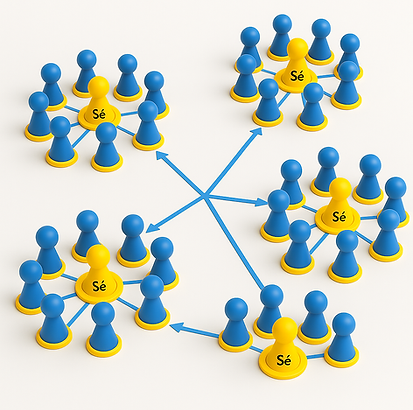
This assessment views the organization as a relational ecosystem, where culture, team dynamics, decision-making processes, and emotional climate are deeply interconnected.
It is particularly useful during periods of growth, restructuring, conflict, performance decline, or loss of internal trust.
A comprehensive report that brings together qualitative data and clinical insights, including a relational climatogram, key strengths, areas of concern, risks, wellbeing indicators, and clear guidelines for change.
1. Organizational climate and the quality of relationships
-
level of internal trust and transparency in communication
-
perception of psychological safety (physical, emotional, relational)
-
alignment between stated values and everyday practices
-
signs of isolation, distrust, or emotional overload
2. Team cohesion and continuity of the relational bond
-
the organization’s ability to sustain both belonging and differentiation
-
presence of relational “gaps” that lead to fragmentation or conflict
-
strength of inter-team cohesion and quality of cross-functional connections
3. Decision-making processes, roles, and distributed leadership
-
clarity of formal and informal roles and responsibilities
-
structure of decision-making processes and their impact on collaboration
-
presence of circulating leadership or, conversely, excessive rigidity at the top
-
mapping of implicit agreements that shape organizational functioning, often unconsciously
4. Risk factors: stress, trauma, and crises of trust
-
detection of contextual trauma, losses, unresolved conflicts, or critical reorganizations
-
signs of organizational alexithymia: difficulty recognizing internal issues, limited emotional regulation, reduced capacity for self-correction
-
effects of chronic stress on individuals and on the wider organizational climate
5. Collective agency and the capacity for transformation
-
level of shared initiative (agency)
-
tendencies toward delegation, external dependence, or passive advocacy
-
the organization’s ability to learn from conflict and generate innovation
6. Digital culture and hybrid work modes
-
quality of relational continuity in digital environments
-
effects of technology on presence, collaboration, and cohesion
-
risks of fragmentation associated with rapid communication and non-integrated digital spaces